How to estimate body fat percentage from mirror selfie photos (shirtless male guide)
Many people ask how to estimate body fat percentage from mirror selfie photos. It can work, but only if your setup is repeatable.
If your goal is a practical workflow for shirtless male check-ins, start with Free AI Body Analysis and use this mirror protocol.
Use one mirror, one camera height, and one relaxed pose to get a cleaner trend signal.
Photos not stored by LeanLens after processing.
Start Mirror Check-InThe point
For shirtless man / male photo check-ins, mirror selfies are useful when they are boringly consistent.
They are unreliable when every week looks like a different photoshoot.
Mirror selfie protocol (7 rules)
- Use the same mirror every time
- Keep camera height around mid-torso
- Keep similar distance from mirror
- Keep feet placement similar
- Use bright, even light (avoid hard side lighting)
- Use a relaxed stance, not a flexed pose
- Keep clothing state consistent (for example, shirtless every check-in)
Use Body Fat From a Photo for a fast estimate and AI Body Analysis App if you want fuller interpretation.
Common mirror selfie mistakes
- standing much closer to "look leaner"
- changing lens settings unintentionally
- switching from overhead light to window side light
- comparing flexed photos to relaxed photos
Better lighting is not always better tracking. Consistent lighting is better tracking.
Real example: apartment bathroom setup
If your only option is a small bathroom mirror:
- put tape on the floor for foot position
- put tape on mirror edge for phone height reference
- capture one front and one slight side angle each check-in
This tiny setup creates much cleaner week-to-week comparisons.
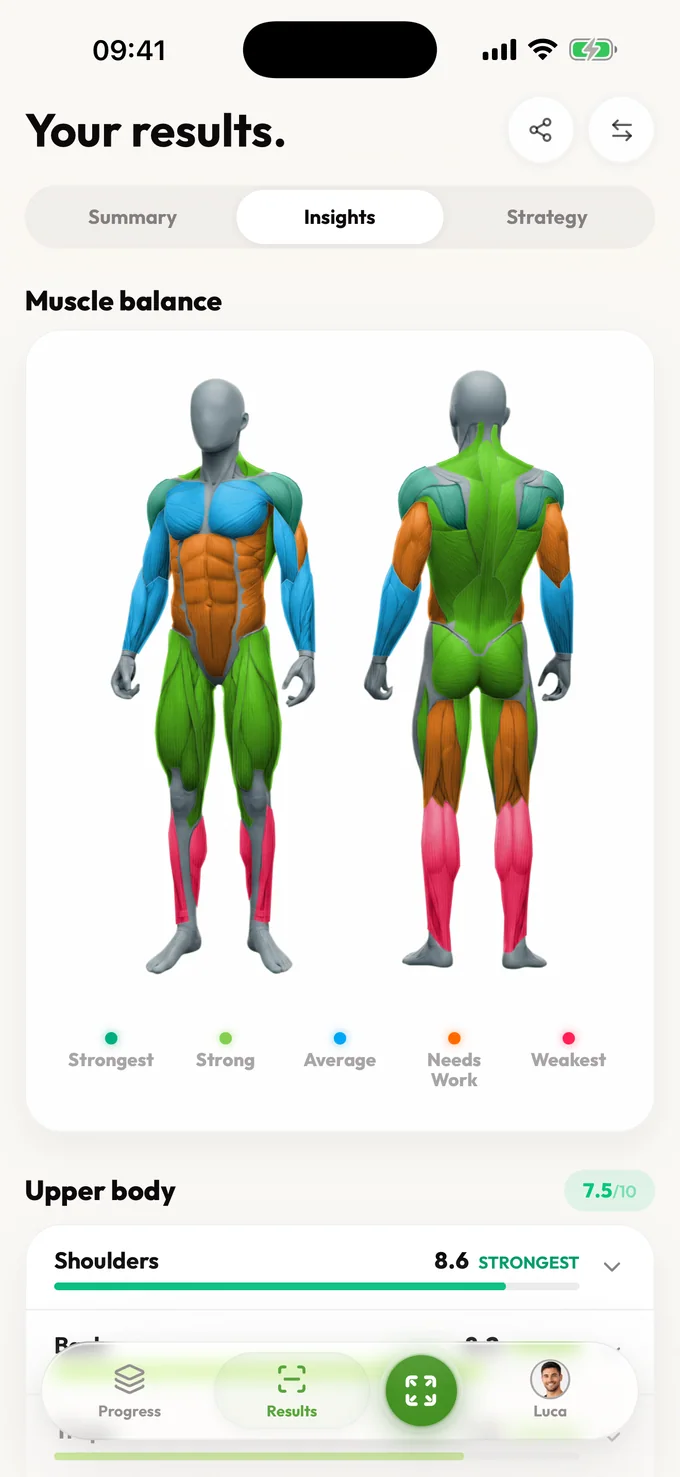
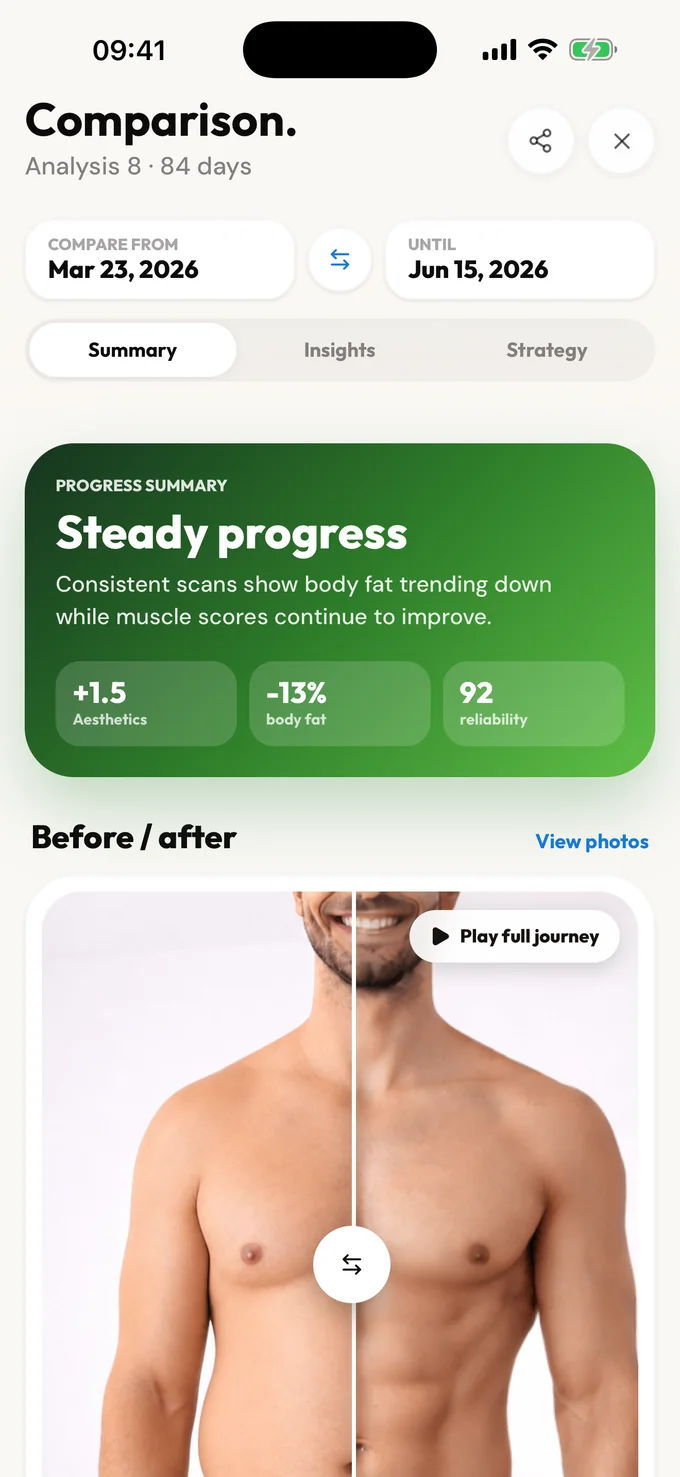
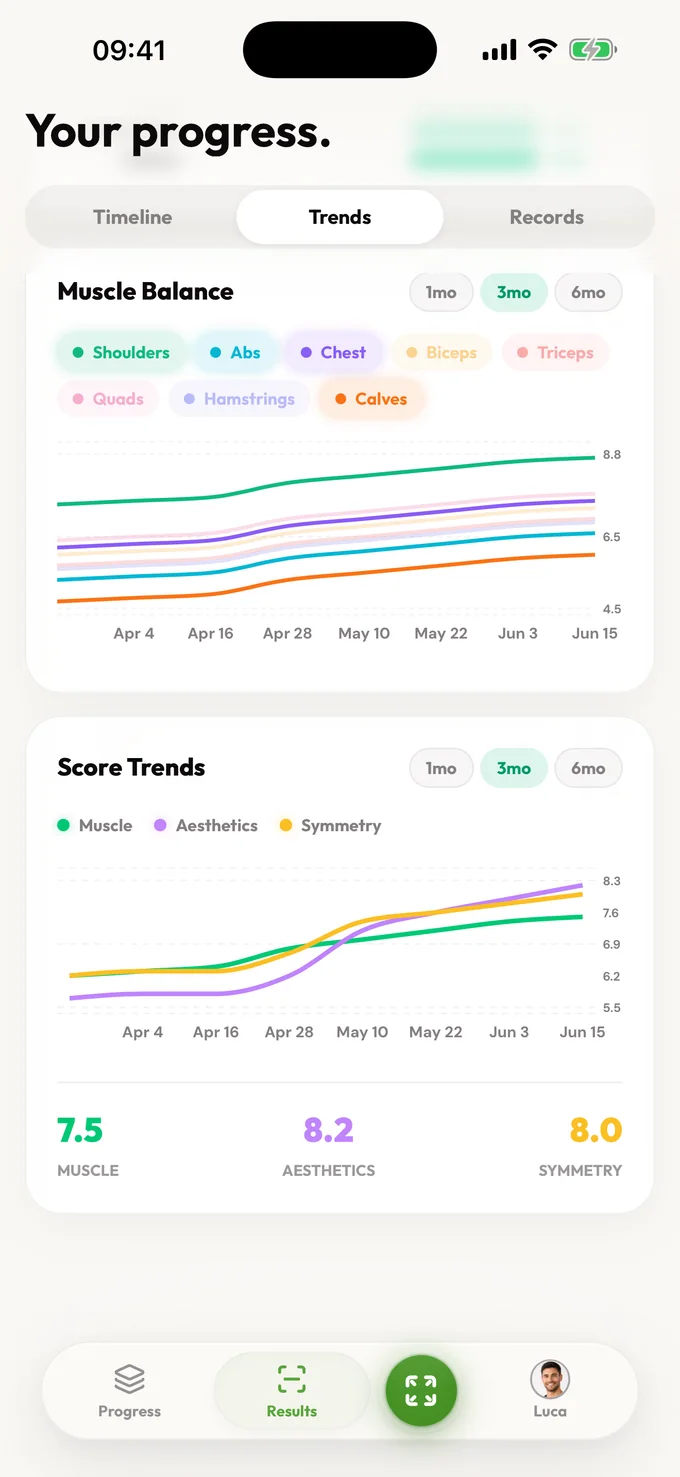
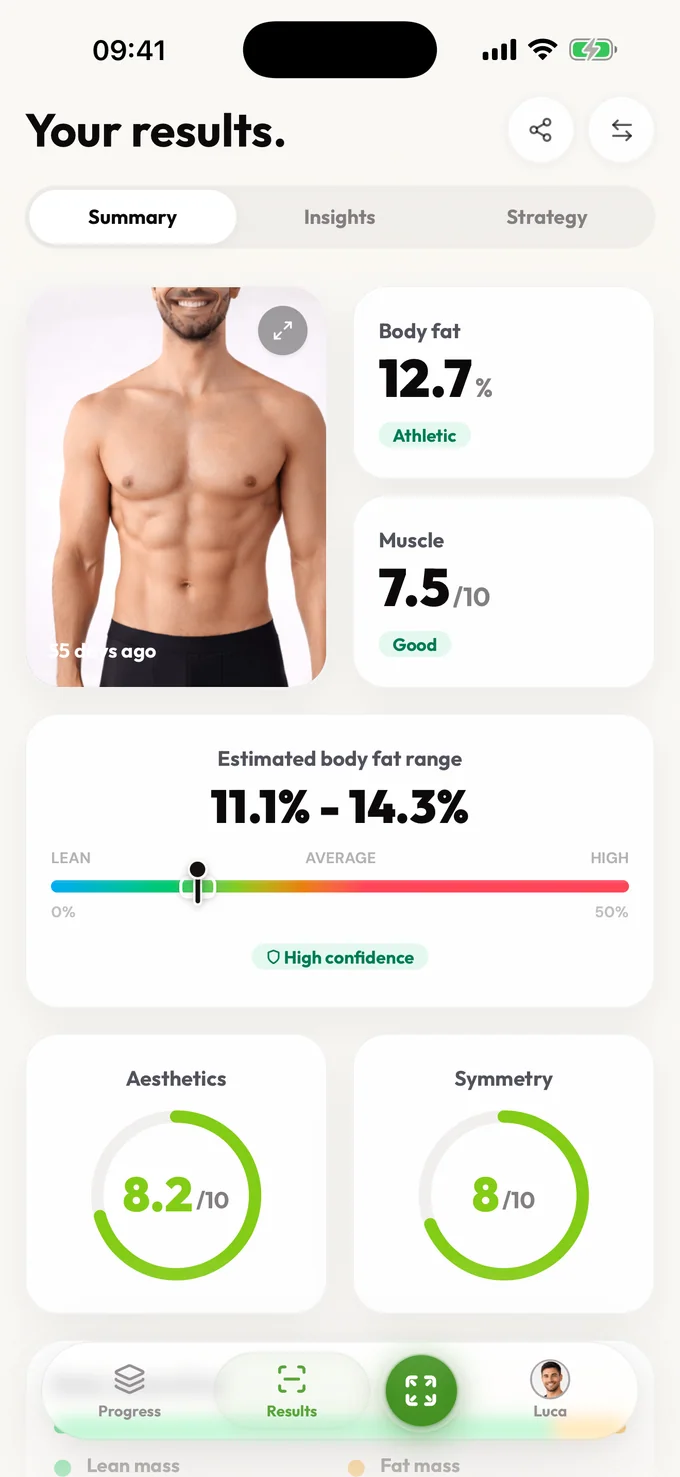
Screenshot placeholder
Example upload flow using a consistent mirror selfie and showing confidence context in results.
Alt text: LeanLens upload and result view for a mirror selfie with confidence-aware body fat estimation.
Limitations and safety
This guide is informational, not medical advice. LeanLens is not a medical device.
Mirror selfies can distort proportions from lens perspective and mirror shape. Use them for trend direction, not clinical precision. If you are struggling with body image stress, reduce check-in frequency and discuss support options with a qualified professional.
Sources
- Perspective distortion in portrait photography (Nikon Learn & Explore)
- Body image and social comparison review (NIH)
- Body composition assessment method limitations (NIH)
Keep your setup fixed and compare only like-for-like check-ins.
Photos not stored by LeanLens after processing.
Try One Check-In